








Why Footwear Is Removed Outside Indian Temples Science & Spiritual Logic Explained
Why Indians Remove Footwear Outside Temples Science, Culture & Energy
Removing footwear before entering a temple is not just a habit — it’s a beautiful blend of hygiene, spirituality, energy alignment, and respect.
Whether you’re an NRI revisiting your roots or a foreign traveler experiencing Indian culture for the first time, this simple act holds deep meaning.
Let’s explore why it matters.
Spiritual Cleanliness Entering Sacred Space With Purity
Temples are considered vibrational hotspots where divine energy is intense.
Footwear carries dust, dirt, and impurities from the outside world.
Removing it:
- shows respect
- keeps the sanctum pure
- prepares the mind for devotion
It’s symbolic.
You leave the outer world behind before stepping into the sacred.
Grounding (Earthing) Absorbing Natural Energy
Walking barefoot on temple floors granite, marble, stone has powerful grounding effects.
Scientific benefits:
- Reduces stress
- Balances the nervous system
- Stabilizes heart function
- Improves mood
- Enhances mindfulness
Ancient temples were built with stones that retain and radiate energy, helping you feel calm and centered.
Temples Are Energy Machines Bare Feet Help the Flow
Many ancient temples were constructed using:
- granite
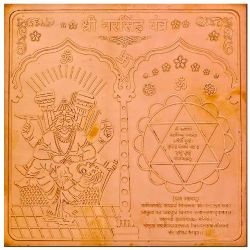
- copper plates beneath the deity
- electromagnetic alignment
- precise geometry
Bare feet allow your body to absorb the subtle energy emitted in the sanctum.
Footwear blocks it.
This is why you often feel lighter, calmer, and clearer after temple darshan.
Hygiene & Cleanliness
Footwear brings:
- mud
- germs
- pollutants
- waste
Temple premises are maintained with care — sweeping, washing, sprinkling water with turmeric, neem, and holy ash.
Bare feet keep the environment clean and pure for everyone.
Cultural Heritage & Respect
Across India from Kerala to Kashi removing footwear is a sign of humility.
It tells the deity:
“I enter your home with respect.”
Just as we remove shoes before entering homes in many cultures, temples follow the same tradition at a deeper, sacred level.
Ancient Architecture Encourages Barefoot Walking
Traditional temples often have:
- sloped stone pathways
- cool inner floors
- mandapa halls designed for barefoot resonance
The vibration from bells, chants, and mantras travels beautifully through the stone… and directly into your body through your feet.
Barefoot enhances the Nadam (sound vibration) effect.
Symbol of Letting Go
In scriptures, removing footwear is symbolic of dropping:
- ego
- anger
- worldly burdens
A devotee enters the temple empty-handed and pure-hearted, ready to receive divine grace.
Travel Brief Visiting Temples With Comfort & Ease
For NRIs and foreign travelers, here’s a simple, friendly guide:
Carry comfortable, easy-to-remove footwear
Sandals, slip-ons, open chappals work best.
Keep socks handy
Perfect for hot floors in summer or temple grounds in South India.
Use the footwear token counter
Safe, organised, and usually inexpensive.
Plan temple visits early morning or late evening
Cooler floors, calmer crowds, more peaceful darshan.
Guided temple visits available
Nirvana India Enterprise helps visitors understand rituals, timings, and etiquette making temple exploration effortless and enriching.
Temples are not just monuments; they are living sanctuaries of energy.
Walking barefoot reconnects you with that ancient wisdom.
Plan Your All India Temple Tour
Design your personalized pilgrimage with:
VIP Darshan Assistance
Luxury & Comfort Hotels
Private Vehicles & Flights
Experienced Temple Guides
WhatsApp: +91 9987404440 / +91 9892002006
Nirvana India Enterprise – Your Trusted Pilgrimage Travel Partner
Comments are closed