

Nandigram & Bharat Kund Significance, Ramayana Legends, Bharat’s Devotion & Pilgrimage Guide
Nandigram & Bharat Kund The Divine Land of Lord Rama’s Return & Bharat’s Supreme Devotion
Where selfless love, dharma, and devotion shaped the greatest moment of the Ramayana.
Introduction The Land Where Devotion Took Its Purest Form
Just outside Ayodhya, in the serene village of Nandigram, lies one of the most touching and spiritually powerful places connected to Lord Rama’s life. This land witnessed not battles… not miracles… but something far greater:
The devotion of Bharat the ideal brother, the ideal king, and the ideal bhakta.
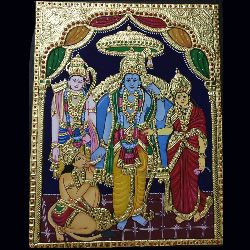
Here, Bharat waited for 14 long years, living like an ascetic, refusing royal comforts, ruling the kingdom on behalf of Rama, and placing Rama’s Padukas on the throne.
And at the heart of Nandigram lies the sacred:
Bharat Kund
A divine water body where rituals were performed daily, prayers were offered for Rama’s safe return, and the kingdom’s spiritual energy was sustained during his exile.
Together, Nandigram and Bharat Kund stand as immortal symbols of:
- Loyalty
- Sacrifice
- Dharma
- Selfless love
- Supreme devotion
It is one of the most emotionally powerful pilgrimage spots in the entire Ramayana circuit — now visited by devotees from India and across the world, especially NRIs.
1. Historical & Scriptural Significance of Nandigram
Nandigram, originally called Bharatpur (Bharat’s village) or Bharatkupa, is where:
- Bharat lived after refusing to sit on the throne
- Rama’s Padukas were worshipped daily
- The kingdom was administered from a simple ashram
- Monks, sages, and citizens came seeking guidance
- The entire kingdom’s dharma was upheld during Rama’s exile
While Ayodhya was physically without Rama,
Nandigram kept Rama spiritually alive.
Even today, locals say:
“Ayodhya is Rama’s birthplace.
But Nandigram is the birthplace of pure devotion.”
2. The Emotional Story of Bharat’s Tapasya
When Rama went into exile unjustly, Bharat was devastated.
He declared:
“I will rule only in Rama’s name, not mine.”
So, he placed Rama’s Padukas on the throne and moved to Nandigram, living like a hermit.
He ate simple food.
Slept on the floor.
Wore bark clothes.
Performed daily prayers for Rama.
Refused royal privileges.
He vowed to return to Ayodhya as king only when Rama returned.
This 14-year austerity is considered one of the greatest acts of devotion recorded in Sanatana Dharma.
3. Bharat Kund- The Sacred Water of Devotion & Purification
At the center of Nandigram lies Bharat Kund, a divine pond where:
- Bharat performed tarpan and rituals for the kingdom
- Sages prayed for Ayodhya’s welfare
- People gathered for blessings and healing
- Devotees recited the Ram Naam continuously
Known anciently as Bharatopasana Kund, it is believed that:
- The water holds devotional vibrations
- Rituals performed here bring peace & clarity
- It removes guilt, sorrow, confusion, and ancestral burdens
Even today, priests say:
“One dip with devotion in Bharat Kund fills the heart with purity and truth.”
4. Mystical Legends Associated With Bharat Kund
Just like Mrityunjay Kund, Bharat Kund too holds beautiful stories:
4.1. The Kund Was Blessed by Maharishi Vashishtha
Guru Vashishtha, the Kul Guru of the Raghu dynasty, sanctified the kund with Vedic mantras so Bharat could perform daily devic rituals.
The water is believed to still carry the energy of:
- Vedic chants
- Yajnas
- Sage blessings
4.2. Ritual Offerings for Rama’s Safety
Every morning, Bharat performed rituals here praying:
“May Rama be safe in the forest.
May dharma be protected.”
The energy of his prayers is said to reside in the water even today.
4.3. Rama Blessed the Kund Upon His Return
When Rama returned from Lanka, he visited Nandigram first.
He embraced Bharat and said:
“Your devotion has protected the kingdom, not my bow.”
Rama blessed the kund, saying:
“Any ritual performed here with bhakti will bear fruit.”
4.4. Many Rishis Performed Tapasya Here
Because the area was so charged with spiritual purity, sages established ashrams around the kund, performing:
- Vedic homas
- Tapasya
- Ram Naam chanting
Even today, you can feel the calm, meditative vibration.
5. Nandigram Temple Complex
The sacred area includes:
Bharat Mandir
With a divine idol of Bharat in a standing posture of devotion.
Paduka Pahar
Where Rama’s Padukas were kept and worshipped.
Bharat Kund
Heart of all rituals.
Meditation areas & old ashram remnants
Where sages once lived.
The temple atmosphere is humble, pure, peaceful a reflection of Bharat’s own character.
6. Rituals & Pujas Performed at Bharat Kund
Devotees visit for:
- Ram Paduka Puja
- Shanti Havan
- Pitru Tarpan
- Navagraha Shanti
- Family harmony blessings
- Mental clarity & peace rituals
- Sarva Siddhi Puja (for success & dharma)
Special days:
- Rama Navami
- Bharat Milap celebrations
- Kartika month
- Amavasya tarpan
7. Why NRIs Love Visiting Nandigram
Devotees from USA, UK, Canada, Australia, UAE, Singapore, Malaysia visit Nandigram because:
- It carries the emotional heart of Ramayana
- It offers peace rarely found in crowded pilgrim areas
- Bharat’s devotion inspires deeper family bonding
- Rituals here give mental stability & clarity
- It pairs beautifully with Ayodhya Ram Mandir visits
- It’s a deeply meaningful heritage experience for children
Nandigram is calm, deeply spiritual, and ideal for soulful visits.
8. Nirvana India Enterprise Your Spiritual Journey Partner
We offer:
- Guided Ayodhya + Nandigram + Bharat Kund tours
- Special arrangements for Ramayana heritage circuits
- Premium NRI-friendly travel planning
- Comfortable transport & hotels
- Arrangements for puja & rituals (as per temple norms)
- Personalized itineraries for families and seniors
Your pilgrimage becomes peaceful, meaningful, and unforgettable.
Plan Your All India Temple Tour
Design your personalized pilgrimage with:
VIP Darshan Assistance
Luxury & Comfort Hotels
Private Vehicles & Flights
Experienced Temple Guides
WhatsApp: +91 9987404440 / +91 9892002006
Nirvana India Enterprise – Your Trusted Pilgrimage Travel Partner
Comments are closed