
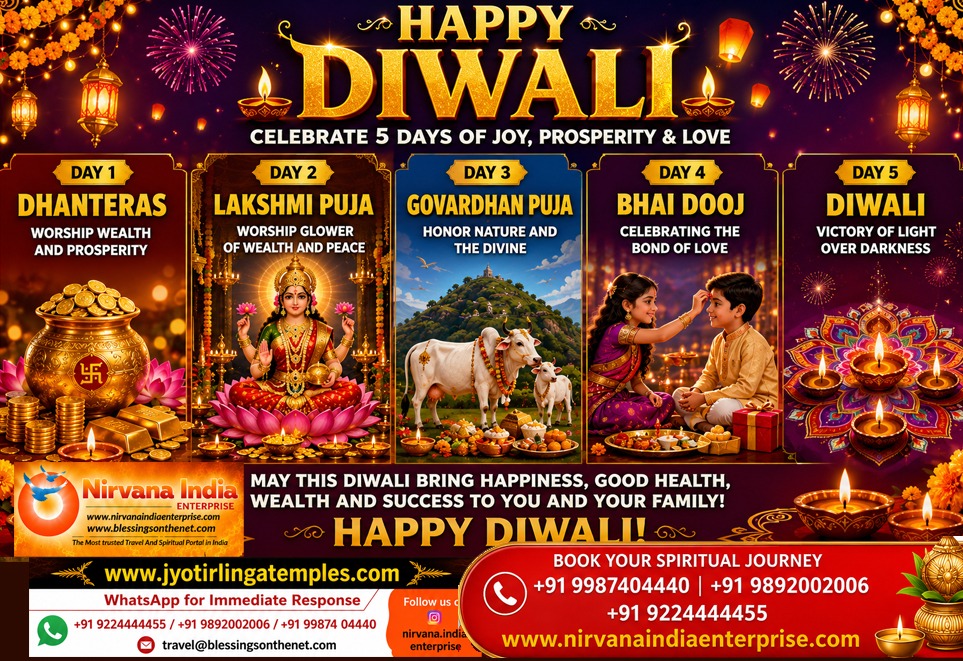
Diwali Festival in India From Dhanteras to Bhai Dooj: Rituals, Puja, Traditions & Festival Tours
Dev Deepawali When the Gods Celebrate Diwali in Varanasi
Dev Deepawali, also known as Dev Diwali, is one of the most spectacular and spiritually significant festivals celebrated in Varanasi, the ancient city of Lord Shiva.
Observed on Kartik Purnima, approximately fifteen days after Diwali, Dev Deepawali is traditionally regarded as the occasion when the gods themselves descend to Earth and celebrate Diwali on the sacred banks of the River Ganga.
On this extraordinary night, the ghats of Varanasi are illuminated with countless earthen lamps, creating a breathtaking riverfront of light. The sight of thousands of diyas glowing along the steps of the Ganga, accompanied by Vedic chants, temple bells, devotional music, and Ganga Aarti, makes Dev Deepawali one of India’s most memorable spiritual experiences.
For pilgrims, Dev Deepawali is more than a festival of lights. It is an opportunity to experience Kashi Vishwanath, the sacred Ganga, ancient temples, traditional rituals, and the timeless spiritual atmosphere of Varanasi.
A customized Dev Deepawali pilgrimage tour can combine the festival with Kashi Vishwanath Temple, Ganga Aarti, important Shiva temples, Sarnath, and other sacred destinations in and around Varanasi.
What is Dev Deepawali?
The name Dev Deepawali means “Diwali of the Gods.”
The festival is celebrated on the full moon day of the Hindu month of Kartik, known as Kartik Purnima.
While Diwali is associated with Lakshmi Puja and several sacred traditions, Dev Deepawali in Varanasi has a distinctly Shaiva and Ganga-centered character.
Devotees believe that the divine presence becomes especially powerful on this sacred night. Thousands of lamps are offered to the River Ganga as an expression of devotion, gratitude, and reverence.
The festival combines:
- Deepa Daan
- Ganga Aarti
- Shiva Puja
- Temple worship
- Vedic chanting
- Devotional music
- Processions
- Cultural performances
- Illumination of the ghats
The Spiritual Significance of Dev Deepawali
Varanasi, also known as Kashi and Banaras, is one of Hinduism’s most sacred pilgrimage cities.
According to Hindu tradition, Kashi is the eternal city of Lord Shiva, and the Ganga flowing through the city is regarded as a sacred motherly presence capable of purifying devotees.
Dev Deepawali brings together these two powerful spiritual traditions—Lord Shiva and Mother Ganga.
The lighting of thousands of lamps represents:
Light over darkness
Knowledge over ignorance
Devotion over doubt
Dharma over adharma
The lamps offered to Ganga are also an expression of gratitude for the sacred river that has sustained Indian civilization for thousands of years.
The Legend Behind Dev Deepawali
One traditional association of Kartik Purnima is the victory of Lord Shiva over the demon Tripurasura, who is described in Hindu traditions as having created three fortified cities.
Lord Shiva destroyed Tripura with a single divine arrow, earning the name Tripurantaka.
The destruction of Tripurasura symbolizes the victory of divine wisdom and righteousness over arrogance and negative forces.
Kartik Purnima therefore became an important occasion for worshipping Lord Shiva and celebrating divine victory.
In Varanasi, this sacred occasion is expressed through the extraordinary illumination of the ghats.
Dev Deepawali Rituals
Dev Deepawali is observed through a variety of spiritual rituals.
Deepa Daan
One of the most beautiful traditions is Deepa Daan, the offering of lamps to the River Ganga.
Thousands of devotees light small earthen diyas and place them along the ghats or offer them reverentially to the river.
The sight of countless lamps reflected in the waters of the Ganga is one of the defining images of Dev Deepawali.
Ganga Aarti
The Ganga Aarti is an essential spiritual experience in Varanasi.
Priests perform elaborate Aarti ceremonies with:
- Lamps
- Incense
- Conch shells
- Bells
- Flowers
- Sacred chants
The ceremony expresses reverence to Maa Ganga and creates an atmosphere of profound devotion.
Shiva Puja
As Dev Deepawali is closely associated with Lord Shiva, devotees visit Shiva temples and offer:
- Bilva leaves
- Flowers
- Water
- Milk
- Fruits
- Diyas
A visit to Kashi Vishwanath Temple is especially significant for pilgrims.
Kartik Purnima Snan
Devotees traditionally consider bathing in the sacred Ganga on Kartik Purnima highly auspicious.
Pilgrims gather along the river in the early morning to perform sacred bathing and prayers.
Sacred Shlokas & Mantras for Dev Deepawali
Maha Mrityunjaya Mantra
ॐ त्र्यम्बकं यजामहे
सुगन्धिं पुष्टिवर्धनम्।
उर्वारुकमिव बन्धनान्
मृत्योर्मुक्षीय मामृतात्॥
This revered Shiva mantra is traditionally recited by devotees seeking divine protection, strength, and spiritual well-being.
Shiva Panchakshara Mantra
ॐ नमः शिवाय॥
The Panchakshara Mantra is one of the most sacred and widely recited mantras dedicated to Lord Shiva.
Devotees visiting Varanasi can chant Om Namah Shivaya while visiting the sacred temples and ghats of Kashi.
Ganga Mantra
ॐ श्री गंगायै नमः॥
A simple prayer invoking reverence to Maa Ganga.
Ganga Stotram Traditional Invocation
देवि सुरेश्वरि भगवति गङ्गे
त्रिभुवनतारिणि तरलतरङ्गे।
This traditional invocation praises the sacred River Ganga and expresses devotion to her divine presence.
Famous Ghats to Experience During Dev Deepawali
Varanasi is famous for its historic ghats, many of which become beautifully illuminated during Dev Deepawali.
Dashashwamedh Ghat
One of the most famous ghats in Varanasi and an important location for the spectacular Ganga Aarti.
Assi Ghat
Located at the southern end of the traditional sacred area of Kashi, Assi Ghat is known for its morning rituals, Ganga Aarti, and spiritual atmosphere.
Manikarnika Ghat
One of the most sacred cremation grounds in Hinduism, associated with Lord Shiva and the belief in liberation through death in Kashi.
Visitors should approach the area with appropriate respect and sensitivity.
Kedar Ghat
Known for its connection with the Kedareshwar form of Lord Shiva and its distinctive temple traditions.
Panchganga Ghat
An important spiritual location associated with ancient traditions and religious scholarship.
Rajendra Prasad Ghat
Located close to Dashashwamedh Ghat, this area also offers excellent views of the illuminated riverfront during major festivals.
Kashi Vishwanath Temple During Dev Deepawali
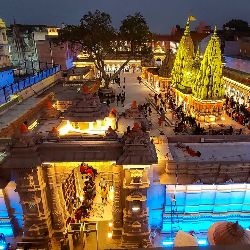
No Dev Deepawali pilgrimage to Varanasi is complete without visiting the revered Kashi Vishwanath Temple.
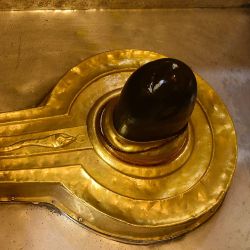
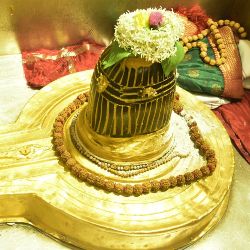
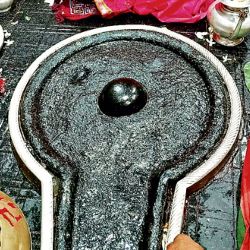
Dedicated to Lord Shiva as Vishwanath, meaning “Lord of the Universe,” the temple is one of the most sacred Shiva temples in India and one of the twelve Jyotirlingas.
Devotees seek blessings of Lord Vishwanath and combine their temple visit with Ganga worship and the Dev Deepawali celebrations.
A Varanasi pilgrimage can also include:
- Kashi Vishwanath Temple
- Annapurna Devi Temple
- Kal Bhairav Temple
- Sankat Mochan Hanuman Temple
- Durga Temple
- Vishalakshi Temple
- Kaal Bhairav Temple
- Ganga Ghats
Boat Ride on the Ganga During Dev Deepawali
A boat ride provides one of the most memorable ways to experience Dev Deepawali.
As the boat moves along the Ganga, pilgrims can see the illuminated ghats from the river.
The reflections of thousands of lamps on the water, temple bells, devotional chants, and illuminated buildings create a deeply spiritual atmosphere.
A private boat experience can be incorporated into a customized Varanasi itinerary, subject to local arrangements and festival-day operating conditions.
Dev Deepawali & Varanasi Temple Pilgrimage
Dev Deepawali can be combined with a broader Varanasi spiritual journey.
Suggested 3-Day Varanasi Dev Deepawali Tour
Day 1 Arrival & Kashi
- Hotel check-in
- Kashi Vishwanath Temple
- Annapurna Temple
- Evening Ganga Aarti
Day 2 Dev Deepawali
- Morning temple visits
- Ganga Snan / spiritual activities
- Explore selected ghats
- Evening Deepa Daan
- Dev Deepawali celebrations
- Ganga Aarti
- Illuminated ghats
Day 3 Spiritual Varanasi
- Kal Bhairav Temple
- Sankat Mochan Hanuman Temple
- Durga Temple
- Sarnath
- Departure
The itinerary can be modified according to arrival and departure timings, temple priorities, and festival-day arrangements.
Varanasi & Nearby Pilgrimage Combinations
Dev Deepawali can also become part of a larger pilgrimage.
Varanasi Prayagraj Ayodhya
A powerful spiritual circuit covering:
- Kashi Vishwanath
- Ganga Aarti
- Triveni Sangam
- Shri Ram Janmabhoomi Temple
- Hanuman Garhi
- Saryu Aarti
Varanasi Vindhyachal
Combine Kashi Vishwanath with Vindhyavasini Devi Temple, an important Shakti pilgrimage destination.
Varanasi Gaya
A spiritual journey connecting Kashi with Gaya, one of India’s important pilgrimage destinations for ancestral rituals.
Varanasi Mathura Vrindavan
For devotees interested in both Shiva and Krishna traditions, the journey can combine:
- Kashi Vishwanath
- Ganga Aarti
- Mathura
- Vrindavan
- Govardhan
- Krishna temples
Why Experience Dev Deepawali in Varanasi?
Dev Deepawali offers a unique combination of:
- Ancient Hindu traditions
- Shiva worship
- Ganga devotion
- Temple pilgrimage
- Deepa Daan
- Ganga Aarti
- Cultural heritage
- Spiritual reflection
- Riverfront celebrations
For international visitors and NRIs, it provides an opportunity to experience one of India’s most distinctive spiritual festivals while exploring the ancient city of Kashi.
Customized Dev Deepawali Pilgrimage Tours with Nirvana India Enterprise
At Nirvana India Enterprise, we specialize in customized private pilgrimage and festival tours across India.
We do not operate fixed group tours.
Every Dev Deepawali journey can be designed according to your:
- Preferred temples
- Festival experience
- Travel dates
- Available time
- Budget
- Hotel category
- Flight requirements
- Surface transportation
- Family requirements
Whether you are travelling individually, as a couple, with family, or with your own private group, we can create a personalized Varanasi pilgrimage.
Our Dev Deepawali tours can be combined with:
- Kashi Vishwanath Jyotirlinga
- Ayodhya Ramayana Tour
- Prayagraj Pilgrimage
- Vindhyachal Shakti Temple
- Gaya Pilgrimage
- Mathura–Vrindavan Krishna Tour
- Shakti Peeth Tours
- 12 Jyotirlinga Tours
For travellers from the USA, UK, Canada, UAE, Singapore, Malaysia, and other countries, itineraries can be customized around international arrival cities, preferred travel dates, temple priorities, and available vacation time.
Experience the Divine Lights of Kashi
Dev Deepawali is an extraordinary expression of India’s spiritual heritage. When thousands of diyas illuminate the ancient ghats of Varanasi, the sacred River Ganga becomes a magnificent river of light.
The experience of standing beside the Ganga, listening to sacred chants, watching the Aarti, offering a diya, and witnessing the illuminated ghats is something that words can describe only partially.
A journey to Varanasi during Dev Deepawali is therefore not simply a festival holiday. It is an opportunity to experience Kashi, Ganga, Lord Shiva, devotion, and India’s timeless spiritual traditions together.
May Lord Kashi Vishwanath and Maa Ganga bless you and your family with peace, wisdom, good health, prosperity, and spiritual fulfilment.
Har Har Mahadev!
Har Har Gange!
Plan Your Customized Dev Deepawali & Varanasi Pilgrimage
Nirvana India Enterprise has been creating personalized pilgrimage and festival experiences across India since 2012.
No Fixed Group Tours Every Journey is Exclusively Designed for You, Your Family, or Your Private Group.
Contact Nirvana India Enterprise
Main Website: https://www.blessingsonthenet.com
Corporate Website: https://nirvanaindiaenterprise.com
Email: travel@blessingsonthenet.com
WhatsApp: +91 9987404440 / +91 9892002006 / + 91 9224444455
Your Spiritual Journey, Our Passion
Experience Dev Deepawali in Varanasi, the Festival of Lights on the Ganges. Discover sacred rituals, Deepa Daan, Ganga Aarti, Kashi Vishwanath Temple and customized private pilgrimage tours
Comments are closed