
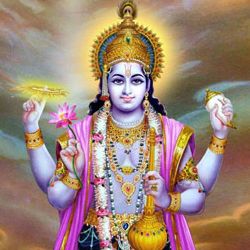
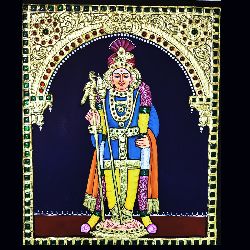
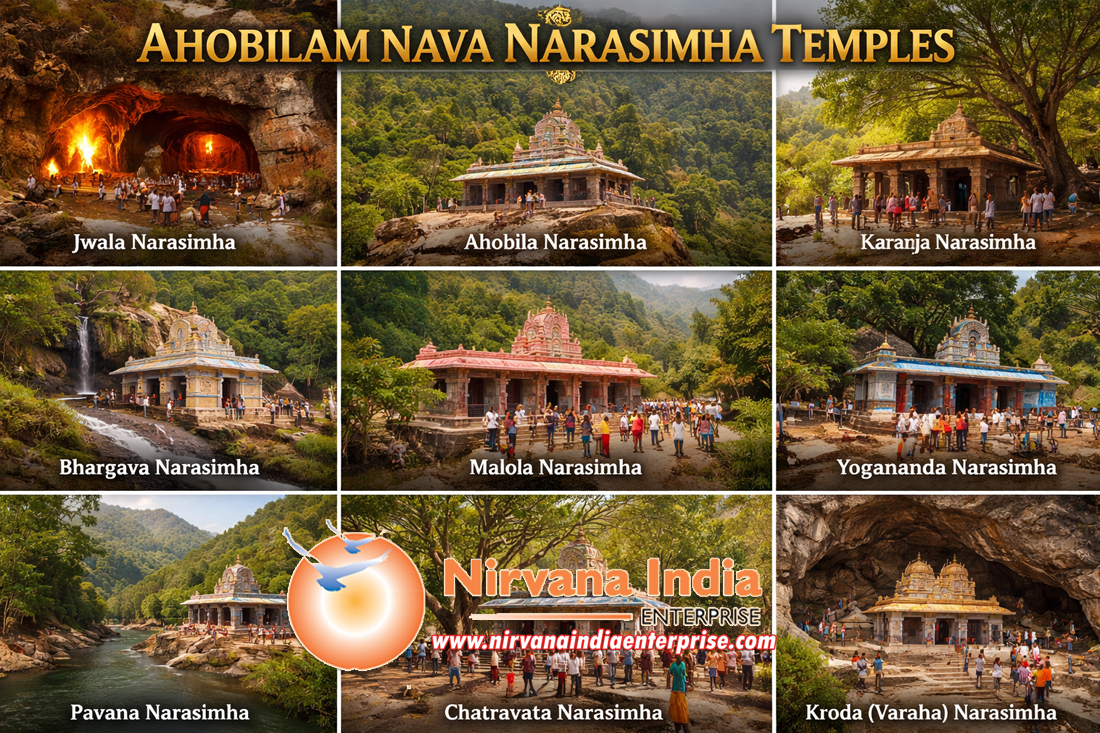
Ahobilam Nava Narasimha Temples
Ahobilam Nava Narasimha Temples
Where the Forests Echo the Roar of Lord Narasimha
Introduction: The Sacred Forest Where God Still Walks
When you enter Ahobilam, you don’t feel like you’re visiting a temple
you feel like you’re stepping into a living scripture.
The Nallamala forests stand tall, thick, and mystical. The wind carries the chants of ancient sages. The rocks still remember the footsteps of Prahlada. And somewhere deep inside this sacred land, the fierce roar of Lord Narasimha still vibrates in the air.
Ahobilam is where myth becomes memory.
Where nature becomes temple.
Where devotion becomes adventure.
This land hosts nine powerful temples dedicated to nine forms of Narasimha — each located in dense forests, hill caves, water streams, and mountain edges. And at the very heart of this divinity lies the legendary Ugra Sthambham, the sacred pillar from which the Lord emerged.
The Legend of the Avatar
Here is where the divine drama unfolded…
The demon king Hiranyakashipu challenged the universe with his ego and cruelty. His son Prahlada, a child-saint, stood unshaken in devotion to Vishnu.
When Hiranyakashipu struck a pillar in fury, demanding Vishnu to appear, the impossible happened:
The pillar ripped open.
The sky roared.
And Lord Narasimha emerged half lion, half man blazing with unimaginable fury.
It is believed that Ahobilam is that very place where the divine manifestation occurred.
The Nine Narasimha Temples (Nava Narasimha)
Below is an enriched and expanded explanation of each temple.
Jwala Narasimha Temple (The Place of the Avatar)
Location: Upper Ahobilam
Form: Ferocious Ugra Narasimha
Significance: The exact spot where Narasimha destroyed Hiranyakashipu.
This temple lies inside a rugged cave where natural flames and sulphuric marks appear on the rocks — believed to symbolize Narasimha’s burning fury.
The energy here is intense, raw, and deeply powerful.
Devotees often feel the hairs on their arms stand up the moment they step inside.
A small water spring called Rakta Kunda flows nearby, where it is believed Narasimha washed the blood of the asura after the slaying.
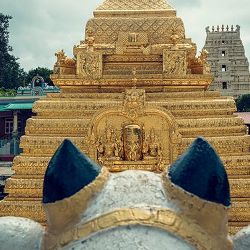
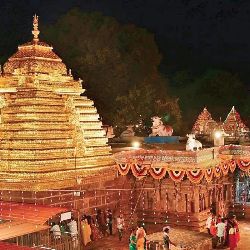
Ahobilam (Ugra) Narasimha Temple (Main Shrine)
Location: Upper Ahobilam
Form: Ugra Narasimha
Significance: The principal deity worshipped by Ahobila Mutt.
This is considered the center of Ahobilam the place where the devas exclaimed,
“Aho Balam!” What great strength!
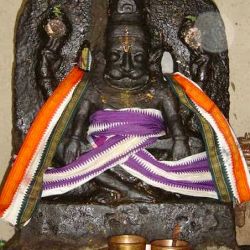
The deity sits in a fierce posture, with flames carved around Him, radiating divine power. This is the form that granted darshan to the Utsava Murti (the moving deity) of Ahobila Mutt.
Malola Narasimha Temple (The Beloved Narasimha)
Location: Upper Ahobilam
Form: With Goddess Lakshmi
Significance: The compassionate, loving form.
“Ma” = Lakshmi
“Lola” = Beloved
Unlike the fierce forms, Malola Narasimha smiles gently. The temple is located on a scenic hill, surrounded by soft breezes. It is said that couples and families receive special blessings here for harmony and peace.
This is one of the most visited shrines in Ahobilam.
Kroda (Varaha) Narasimha Temple
Location: Upper Ahobilam
Significance: A rare blend of Varaha (boar) and Narasimha.
The deity appears with a boar-like face, symbolizing strength and divine protection against negative energies.
The temple lies deep inside the forest, where the sound of flowing water accompanies the chants of devotees.
Karanja Narasimha Temple
Location: Lower Ahobilam
Significance: Narasimha with a bow, worshipped by Hanuman.
This shrine stands beneath a sacred Karanja tree. When Lord Hanuman doubted why Vishnu needed a half-lion form, Narasimha revealed Himself under this tree to clear the doubt.
The deity holds a bow (kodanda), representing victory over doubts.
Bhargava Narasimha Temple
Location: Lower Ahobilam
Significance: The place where Sage Parashurama performed penance.
Sage Bhargava (Parashurama) meditated here, seeking Narasimha’s grace after giving up his weapon. The temple is peaceful, with gentle wind and dense greenery — perfect for meditation and introspection.
Chatravata Narasimha Temple
Location: Lower Ahobilam
Significance: Narasimha sitting under a natural umbrella of trees.
A large tamarind tree spreads its branches like a divine canopy. Devotees often hear soft musical vibrations here — believed to be celestial gandharvas singing praises of the Lord.
This is considered the most “musical” temple of Ahobilam.
Yogananda Narasimha Temple
Location: Lower Ahobilam
Significance: Narasimha teaching Yoga to Prahlada.
Here, Narasimha’s form is calm, meditative, and serene.
It is believed that after destroying the asura, He sat here and taught Prahlada the secrets of Yoga and inner discipline.
A perfect place for meditation enthusiasts.
Pavana Narasimha Temple
Location: Deep forest, further away
Significance: The most purifying form.
This temple is surrounded by thick trees and soothing silence.
“Pavana” means “one who purifies”.
Devotees often experience tears, peace, or emotional release here.
It is said that this shrine grants liberation from accumulated karmas.
Ugra Sthambham The Sacred Pillar of Manifestation
A must-visit landmark of Ahobilam
About 8 km from the Upper Ahobilam temple, a dramatic cleft divides a tall mountain into two towering pillars. This place is revered as:
The exact spot where Lord Narasimha burst out of the pillar.
The vertical split looks unnatural sharp, clean, and divine.
Even today, devotees trekking here feel a powerful vibration, as if the stone still holds the memory of the avatar.
Prahalada Mettu Where Bhakti Lived and Learned
Halfway between Upper Ahobilam and Ugra Sthambham lies a small cave shrine dedicated to Prahlada.
Inside this modest cave:
- Prahlada meditated
- Studied the Narasimha mantras
- Worshipped Vishnu with unwavering devotion
His image is installed here, radiating innocence and devotion.
The Sacred Theerthas Near Prahalada Mettu
The mountains around this cave hide many holy water ponds (theerthas).
The most famous is:
Raktha Kundam (Blood-Coloured Pond)
Scriptures say that after killing Hiranyakashipu,
Lord Narasimha washed His blood-stained hands here,
giving the pond a reddish tint which still persists.
This is recorded in “History of the Cult of Narasimha in Andhra Pradesh” by Dr. M. Narasimhacharya.
Raktha Kundam is considered extremely powerful for purification and protection.
Storytelling Moment: Walking Through Divine Forests
Imagine…
You’re walking along a narrow forest trail.
Sunlight peeks through dense trees.
Birds sing.
A soft waterfall hums nearby.
As you climb toward Ugra Sthambham, the wind grows cooler.
The mountain suddenly splits open in front of you — tall, majestic, divine.
In that moment, you feel it.
The presence.
The power.
The roar that once echoed through these hills.
Ahobilam is not a pilgrimage.It is a spiritual adventure.
Nirvana India Enterprise Premium Ahobilam Pilgrimage
We curate:
- Comfortable premium stays
- Guided temple visit
- Trek support for seniors
- Forest route assistance
- hotography-friendly itinerary
- VIP-style comfortable travel
Ideal Duration
2–3 days minimum for all 9 temples + Ugra Sthambham + Prahlada Mettu.
Comments are closed