







Ayurvedic Wisdom in Temple Traditions Rare Healing Knowledge from Ancient India
Ayurvedic Wisdom Hidden in Temple Texts & Traditions
Ancient India never separated science from spirituality — it blended them gracefully.
What we see as temple rituals today were originally designed with deep scientific and Ayurvedic reasoning. While Ayurveda is preserved in texts like Charaka Samhita and Sushruta Samhita, a major portion of practical healing wisdom survives quietly inside temples.
This is the part most people never get to see.
Let’s uncover these hidden treasures.
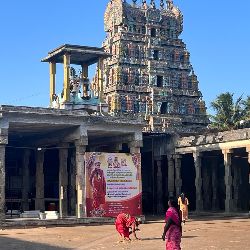
Temple Architecture Itself Is Based on Ayurvedic Energy Principles
“Vastu” = The Ayurvedic anatomy of a building.
Just as Ayurveda defines the human body through doshas and nadis, temples are built as living organisms:
- Garbhagriha = The heart
- Gopuram = The head
- Prakarams = Circulatory system
- Mandapams = Nervous system
- Dwajasthambam = Spinal axis
The layout aligns with:
- Energy flow
- Solar movement
- Magnetic lines
- Five elements
This creates a healing environment that balances the mind and stabilizes the pranas.
Agama Shastras Encode Preventive Ayurveda
Temple Agama texts contain subtle but powerful Ayurvedic wisdom:
Use of oil lamps
Keeps air purified, balances Vata.
Use of incense
Herbs like sambrani and neem kill pathogens.
Daily bathing of deity
Regulates energy of the space and stabilizes the emotional frequency of devotees.
Temple timings
Aligned with Ayurvedic biological clocks — Brahma Muhurtam, Ucchi Kaala, Saayam Kaala.
Temple practices were designed to maintain community health before hospitals existed.
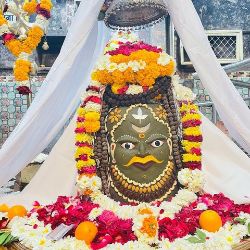
Abhishekam Ingredients Are Ayurvedic Medicines in Disguise
Every substance used in Abhishekam comes from classical Ayurveda:
- Milk → cooling, nourishing
- Honey → antimicrobial, rejuvenating
- Sandalwood → stress relief
- Turmeric → anti-inflammatory
- Tender coconut → electrolyte balancer
- Ghee → sattvic purification
- Vibhooti → antiseptic ash with mineral properties
When you receive these as prasadam, you receive Ayurvedic healing in a spiritual form.
Temple Prasadam Ayurvedic Nutrition for the Community
Temple food follows Ayurvedic cooking principles:
- Cooked fresh every day
- No tasting while cooking (preserves prana)
- Sattvic ingredients
- Balanced combination of grains, lentils, ghee, spices
- Served hot for proper digestion
Examples:
- Pongal (TN temples) → Vata-friendly, calming
- Chakkara Pongal → energy-boosting
- Chakkara Paal Payasam → grounding
- Theertham → infused with herbs, camphor, and tulsi
Temple food is medicine disguised as devotion.
Temple Bells Are Linked to Brain Health & Healing
Temple bells are made of an alloy known as Panchaloha.
Ayurveda says sound frequencies can balance mental doshas.
The bell sound:
- Activates alpha waves
- Resets the limbic system
- Clears emotional clutter
- Harmonises both sides of the brain
This is why the mind feels still after ringing a bell.
Chanting Mantras Has Ayurvedic Impact on the Nervous System
Mantras vibrate at frequencies that:
- regulate breathing
- reduce cortisol (stress hormone)
- improve oxygen absorption
- stabilise the vagus nerve
- improve sleep
Chanting was an ancient mental health prescription long before psychology existed.
Festivals Reflect Seasonal Detox Principles
Ayurveda has seasonal regimens (Ritucharya).
Temple festivals match them:
- Karthigai Deepam → fire element for the winter season
- Pongal/Makar Sankranti → detox foods & sunlight
- Chaitra Navaratri → fasting for spring cleansing
- Vaikasi Visakam → balancing Pitta before peak summer
Religion and medicine moved hand-in-hand.
Sacred Trees in Temple Courtyards Are Ayurvedic Pharmacies
Every temple has a Stala Vriksha (sacred tree), chosen through Ayurvedic logic:
- Vilvam (Shiva) → digestive, calming
- Tulsi (Vishnu) → anti-infective
- Neem (Amman temples) → blood purification
- Peepal → releases oxygen even at night
- Arasa Maram → improves respiratory health
Temple trees heal both body and atmosphere.
Temples Preserved Ayurveda When India Faced Invasions
During historical invasions, many Ayurvedic manuscripts were destroyed.
Priests, Siddhars, Namboodiris, and Acharyas preserved Ayurvedic knowledge inside temple practices so communities could survive.
That is why Ayurveda and temples feel deeply interconnected even today.
Want to Explore Healing Temples & Ayurvedic Journeys?
Nirvana India Enterprise Is Here to Guide You
We curate wellness-focused temple experiences specially for NRIs and spiritual travellers:
- Healing temple circuits (South India, Kerala, TN)
- Temple + Ayurveda retreat combinations
- Ritual guidance & darshan support
- Stay options near Ayurvedic centres
- Senior-friendly, peaceful itineraries
- Storytelling + cultural explanations
- Custom-made spiritual healing journeys
With us, every trip becomes a journey of inner balance, clarity, and renewal.
Comments are closed