
Lakshmi Puja on Diwali Puja Vidhi, Rituals, Mantras, Significance & Sacred Traditions
Lakshmi Puja is one of the most important rituals performed during Diwali, the Festival of Lights. On the main Diwali night, families across India illuminate their homes with diyas, create beautiful rangoli, prepare traditional offerings, and worship Goddess Lakshmi, the divine embodiment of prosperity, abundance, auspiciousness, beauty, and well-being.
Lakshmi Puja is not simply a prayer for material wealth. In Hindu tradition, prosperity encompasses good health, happiness, knowledge, harmony, success, generosity, and spiritual abundance.
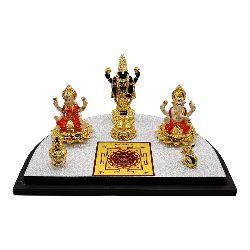
Lord Ganesha is traditionally worshipped alongside Goddess Lakshmi during Diwali. Ganesha represents wisdom and the removal of obstacles, while Lakshmi represents prosperity and auspiciousness. Together, their worship expresses the aspiration for a balanced and fulfilling life.
The illumination of the home with diyas carries a beautiful message: just as a lamp removes physical darkness, divine wisdom and devotion can remove ignorance, negativity, fear, and uncertainty from our lives.
Who is Goddess Lakshmi?
Goddess Lakshmi is one of the most revered goddesses in Hinduism and is traditionally regarded as the divine consort of Lord Vishnu.
She represents:
- Prosperity
- Wealth
- Abundance
- Fortune
- Beauty
- Auspiciousness
- Fertility
- Success
- Generosity
- Spiritual well-being
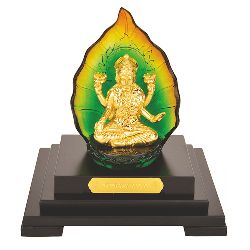
Goddess Lakshmi is commonly depicted seated or standing upon a lotus, symbolizing purity and spiritual awakening.
She is often shown with golden coins flowing from her hands, representing abundance, while elephants associated with her imagery symbolize strength, royal prosperity, and auspiciousness.
Lakshmi’s presence reminds devotees that prosperity should be accompanied by wisdom, righteousness, gratitude, and compassion.
Why is Lakshmi Puja Performed on Diwali?
Diwali is traditionally associated with welcoming light, prosperity, and auspiciousness into the home.
According to popular traditions, devotees worship Goddess Lakshmi on Diwali night to seek blessings for the coming year.
Families clean their homes, decorate entrances, light lamps, and prepare the puja area.
The traditional belief is that a clean, peaceful, illuminated, and devotional environment represents readiness to welcome divine grace.
Lakshmi Puja therefore becomes a time for:
- Gratitude for existing blessings
- Prayer for prosperity
- Family well-being
- Business success
- Financial stability
- Peace and harmony
- Spiritual renewal
- New beginnings
Spiritual Significance of Lakshmi Puja
The deeper meaning of Lakshmi Puja extends beyond money.
Prosperity
Devotees pray for sufficient resources to support their families and fulfil their responsibilities.
Purity
The lotus associated with Lakshmi symbolizes purity despite living in the material world.
Gratitude
Diwali is an opportunity to express gratitude for the blessings received during the year.
Responsible Wealth
Hindu traditions emphasize that wealth should be acquired ethically and used wisely.
Inner Abundance
True prosperity includes contentment, knowledge, relationships, compassion, and spiritual fulfilment.
Preparing the Home for Lakshmi Puja
Preparation is an important part of Diwali worship.
1. Clean the Home
Families traditionally clean and organize their homes before Diwali.
The act of cleaning represents removing disorder and negativity and preparing for a fresh beginning.
2. Decorate the Entrance
The entrance may be decorated with:
- Rangoli
- Flowers
- Mango leaves
- Torans
- Diyas
In some traditions, small Lakshmi footprints are drawn from the entrance towards the puja area, symbolizing the welcoming of Goddess Lakshmi.
3. Prepare the Puja Area
Choose a clean and peaceful location for the worship.
A clean cloth may be placed on the puja platform, with images or idols of Goddess Lakshmi and Lord Ganesha arranged according to family tradition.
4. Light Diyas
Oil or ghee lamps are lit before and during the puja.
The diya represents the victory of light over darkness and knowledge over ignorance.
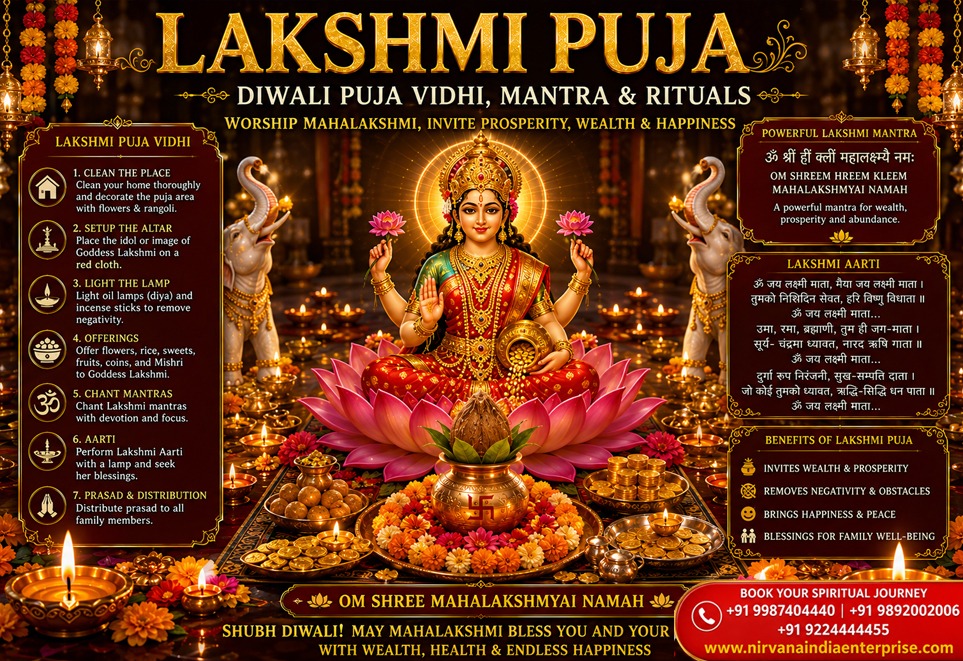
Lakshmi Puja Vidhi Step-by-Step
The exact Lakshmi Puja Vidhi differs according to regional and family traditions. A simple traditional puja can include the following steps.
Step 1 Sankalpa
Begin with a prayerful intention or Sankalpa, dedicating the puja to Goddess Lakshmi and seeking blessings for the family.
Step 2 Ganesha Puja
Worship Lord Ganesha first, seeking wisdom and removal of obstacles.
Step 3 Kalash Sthapana
A sacred Kalash may be prepared with water and decorated according to the family’s traditional practice.
Step 4 Invoke Goddess Lakshmi
Invite Goddess Lakshmi into the puja through prayers and devotional chants.
Step 5 Offer Flowers
Offer fresh flowers, garlands, and other traditional items.
Step 6 Offer Naivedyam
Prepare traditional offerings such as:
- Fruits
- Sweets
- Dry fruits
- Coconut
- Paan and supari, where customary
- Traditional festive preparations
Step 7 Offer Diyas
Light lamps around the puja area and throughout the home.
Step 8 Chant Mantras
Recite Lakshmi mantras, stotras, or Lakshmi Ashtottara Shatanamavali according to your tradition.
Step 9 Lakshmi Aarti
Perform Aarti while offering prayers to Goddess Lakshmi and Lord Ganesha.
Step 10 Prasad
Distribute the blessed offerings among family members.
For detailed ritual procedures, devotees may follow their family tradition or consult a qualified priest.
Lakshmi & Ganesha Why Are They Worshipped Together?
Diwali Lakshmi Puja traditionally includes worship of Lord Ganesha.
The combination has an important symbolic meaning.
Lakshmi represents prosperity.
Ganesha represents wisdom and the removal of obstacles.
Wealth without wisdom can be misused, while wisdom without sufficient resources can make fulfilling responsibilities difficult.
Together, their worship expresses the desire for:
Wisdom + Prosperity
Knowledge + Success
Auspiciousness + Responsible Wealth
This makes Lakshmi-Ganesha Puja especially significant for households and businesses.
Lakshmi Puja Offerings
The offerings used during Lakshmi Puja vary according to region and family tradition.
Common offerings include:
- Lotus flowers
- Other fresh flowers
- Fruits
- Coconut
- Sweets
- Dry fruits
- Rice
- Turmeric
- Kumkum
- Incense
- Diyas
- Coins
- Traditional festive foods
The most important offering, however, is considered to be devotion and sincerity.
The Importance of Diyas on Diwali
The diya is one of the most powerful symbols of Diwali.
Families traditionally place diyas:
- At the entrance
- Near windows
- Around the puja area
- On balconies
- Along pathways
- Near temples
- Around courtyards
The light represents the removal of darkness.
It reminds us that even a small flame can illuminate a dark space.
Spiritually, the diya represents the awakening of knowledge, hope, faith, and divine consciousness.
Rangoli & Lakshmi’s Footprints
Creating rangoli is another beautiful Diwali tradition.
Rangoli may be made using:
- Coloured powders
- Rice
- Flowers
- Natural materials
Traditional designs welcome auspiciousness into the home.
Some families draw symbolic Lakshmi footprints leading from the entrance toward the puja area.
These footprints represent the symbolic arrival of Goddess Lakshmi and the blessings of prosperity.
Sacred Lakshmi Mantras
Mahalakshmi Mantra
ॐ श्रीं महालक्ष्म्यै नमः॥
Om Shreem Mahalakshmyai Namah
This is one of the most widely recited mantras dedicated to Goddess Lakshmi.
Lakshmi Gayatri Mantra
ॐ महालक्ष्म्यै च विद्महे
विष्णुपत्न्यै च धीमहि।
तन्नो लक्ष्मीः प्रचोदयात्॥
This traditional prayer seeks the divine grace and illumination of Goddess Lakshmi.
Lakshmi Stuti
नमस्तेस्तु महामाये श्रीपीठे सुरपूजिते।
शङ्खचक्रगदाहस्ते महालक्ष्मि नमोऽस्तुते॥
A traditional invocation praising Goddess Mahalakshmi.
Ganesha Mantra for Diwali
ॐ गं गणपतये नमः॥
Om Gam Ganapataye Namah
This widely recited mantra is dedicated to Lord Ganesha.
Devotees chant it while seeking wisdom, auspiciousness, and freedom from obstacles.
Lakshmi Puja Across India
Although the core symbolism remains similar, Lakshmi Puja is celebrated differently across India’s regions.
North India
Families perform elaborate Lakshmi-Ganesha Puja, illuminate homes with diyas, create rangoli, and celebrate with sweets and family gatherings.
Gujarat
Diwali is closely associated with prosperity and new beginnings. Businesses and households perform Lakshmi Puja, and the festive period holds special significance for traders and business communities.
Maharashtra
Lakshmi worship forms part of the broader Diwali celebrations, which include traditional foods, lamps, family rituals, and other regional customs.
West Bengal
Lakshmi Puja is also celebrated separately during Kojagari Lakshmi Puja, while Diwali itself is strongly associated with Kali Puja in many communities.
South India
Diwali customs vary by state and community, with traditions involving Naraka Chaturdashi, oil baths, lamps, family worship, sweets, and temple visits.
Famous Lakshmi Temples in India
A Lakshmi-themed pilgrimage can be combined with Diwali travel to some of India’s important temples dedicated to Goddess Lakshmi or Lakshmi-related traditions.
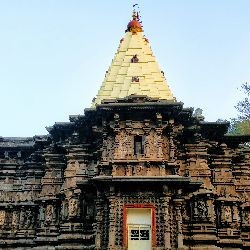
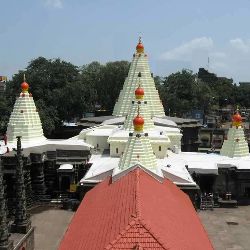
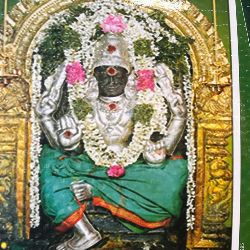
Mahalakshmi Temple Kolhapur
The Mahalakshmi Temple in Kolhapur, Maharashtra, is one of India’s most revered Lakshmi temples and an important Shakti pilgrimage destination.
Ashtalakshmi Temple Chennai
The Ashtalakshmi Temple in Chennai is dedicated to eight forms of Goddess Lakshmi, representing different dimensions of prosperity and divine grace.
Padmanabhaswamy Temple Thiruvananthapuram
This magnificent temple is dedicated to Lord Vishnu in the form of Padmanabha and has strong connections with the Vaishnava tradition in which Lakshmi is the divine consort of Vishnu.
Tirumala Tirupati
The sacred Tirumala pilgrimage to Lord Venkateswara is closely associated with Goddess Lakshmi and the Sri Vaishnava tradition.
A customized pilgrimage can combine these destinations with other South Indian temples.
Lakshmi Puja & Diwali Pilgrimage Tours
Devotees can combine Diwali celebrations with a spiritual journey to important temples.
Maharashtra Lakshmi & Diwali Temple Tour
Possible destinations:
- Kolhapur Mahalakshmi
- Tulja Bhavani
- Shirdi
- Trimbakeshwar
- Nashik
Tamil Nadu Lakshmi & Vishnu Temple Tour
Possible destinations:
- Chennai
- Kanchipuram
- Srirangam
- Kumbakonam
- Thanjavur
Kerala & Tamil Nadu Spiritual Tour
Combine:
- Thiruvananthapuram
- Padmanabhaswamy Temple
- Madurai
- Rameswaram
- Kanyakumari
North India Diwali Spiritual Tour
Combine:
- Ayodhya
- Varanasi
- Mathura
- Vrindavan
- Prayagraj
These itineraries can be customized around the traveller’s preferred temples and festival dates.
Lakshmi Puja for Businesses
Diwali is especially important for business communities across India.
Many businesses perform Lakshmi-Ganesha Puja at their offices, shops, factories, and workplaces.
Account books, business documents, tools, and other instruments of livelihood may be included in the worship according to local customs.
The ceremony represents gratitude for the year’s success and prayers for:
- Ethical growth
- Financial stability
- New opportunities
- Prosperity
- Wisdom in decision-making
- Success in future ventures
The festival therefore connects spirituality with responsible economic life.
Customized Lakshmi Puja & Diwali Tours with Nirvana India Enterprise
At Nirvana India Enterprise, we specialize in customized private pilgrimage and festival tours across India.
We do not operate fixed group tours.
Every Diwali pilgrimage can be designed according to:
- Preferred temples
- Lakshmi Puja interests
- Festival dates
- Available time
- Budget
- Hotel preferences
- Flight requirements
- Surface transportation
- Family requirements
Whether you are travelling individually, as a couple, with family, or with your own private group, we can create a personalized spiritual journey.
Our Diwali and Lakshmi-focused tours can be combined with:
- Dhanteras
- Ayodhya Deepotsav
- Dev Deepawali in Varanasi
- Govardhan Puja
- Mathura & Vrindavan
- Shakti Peeth Tours
- Jyotirlinga Tours
- Maharashtra Temple Tours
- South India Temple Tours
For devotees travelling from the USA, UK, Canada, UAE, Singapore, Malaysia, and other countries, itineraries can be customized around international arrival cities, preferred festival dates, temple priorities, and available vacation time.
The Deeper Meaning of Lakshmi Puja
Lakshmi Puja reminds us that prosperity is most meaningful when accompanied by wisdom, gratitude, generosity, responsibility, and compassion.
The glow of a diya represents more than physical light. It represents the light we cultivate within ourselves.
As families gather together during Diwali, offer prayers, light lamps, share food, and seek divine blessings, Lakshmi Puja becomes a beautiful reminder to appreciate everything that truly enriches life.
May Goddess Lakshmi bless every home with prosperity, harmony, happiness, good health, and spiritual abundance.
May Lord Ganesha remove obstacles and guide us with wisdom.
Shubh Deepavali!
Jai Maa Lakshmi!
Plan Your Customized Lakshmi Puja & Diwali Temple Tour
Nirvana India Enterprise has been creating personalized pilgrimage and festival experiences across India since 2012.
No Fixed Group Tours Every Journey is Exclusively Designed for You, Your Family, or Your Private Group.
Contact Nirvana India Enterprise
Main Website: https://www.blessingsonthenet.com
Corporate Website: https://nirvanaindiaenterprise.com
Email: travel@blessingsonthenet.com
WhatsApp: +91 9987404440 / +91 9892002006 / + 91 9224444455
Your Spiritual Journey, Our Passion
Learn Lakshmi Puja Vidhi for Diwali, including rituals, preparations, offerings, sacred mantras, Ganesha Puja, diyas, rangoli and the spiritual significance of Goddess Lakshmi.
Comments are closed