




Why Hindu Temples Face East Direction, Sun, Energy & Ancient Science
Why Temples Always Face East Direction, Sun, Energy & Tradition
A Rare Exploration of Cosmic Alignment, Vastu Shastra & Spiritual Science
Across India, from ancient cave temples to massive Dravidian gopurams, one pattern remains almost universal:
Most Hindu temples face the East.
But why?
The answer is a fascinating blend of astronomy, energy science, tradition, and deep symbolism. Let’s walk through it gently and beautifully.
1. The East Is the Direction of the Rising Sun
In Hindu philosophy, the Sun is the source of all prana the life force that sustains the universe.
Facing East means the temple deity receives the first rays of the morning sun, symbolizing:
- Renewal
- Purification
- Awakening of consciousness
- Removal of darkness (ignorance)
In many temples, during equinoxes, the sunlight travels straight into the garbhagriha and illuminates the deity — a brilliant example of ancient astronomical precision.
2. Vastu Shastra & the Energy Grid of Nature
Vastu texts mention that positive energies enter from the East, carried by:
- Gentle morning light
- Magnetism of the Earth
- Natural winds
- Low thermal pressure
The East direction is called “Indra’s Direction” the space of divine blessings, new beginnings, and spiritual upliftment.
Thus, an east-facing temple allows devotees to absorb these energies while standing before the deity.
3. Symbolism Rising Sun Rising Consciousness
The movement of the sun reflects the movement of human life:
- Morning → Birth
- Noon → Youth
- Sunset → Old age
- Night → Dissolution
By facing east, temples constantly remind devotees:
“Just as the sun rises again, your inner self can rise too.”
The energy is both uplifting and deeply calming.
4. Ritual Alignment Why Priests Face West & Devotees Face East
In most temples:
- Priest faces East (towards deity)
- Deity faces East (towards rising sun)
- Devotees face West (towards deity)
This creates a sacred energy loop, believed to amplify:
- Mantra vibration
- Pranic flow
- Devotion-inspired healing
- Mental clarity
It’s a scientifically intuitive pattern the deity absorbs cosmic energy, the priest channels it, and the devotees receive it.
5. The East Is the Direction of the Gods
In Vedic cosmology, all Devas reside in symbolic directions:
- East Indra
- Southeast Agni
- South Yama
- Southwest Pitru/Ancestors
- West Varuna
- North Kubera
- Northeast Ishana (Shiva)
Placing the deity facing East aligns the temple with the domain of Indra the king of gods, the bringer of rains, prosperity, courage, and light.
6. Architecture & Astronomy The Secret Planning Behind East Facing Temples
Temple architects were not just craftsmen they were mathematicians, astronomers, and spiritual scientists.
While planning a temple, they calculated:
- Sun’s path
- Solstice angles
- Shadow lengths
- Seasonal sunlight
- Wind direction
- Earth’s magnetic axis
This precision ensured:
- Garbhagriha stays cool
- Devotees enter facing the most auspicious direction
- Morning rituals align with natural light
- Mantra sound resonates better
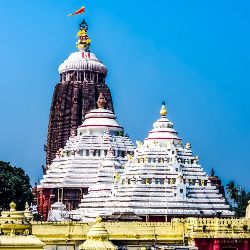
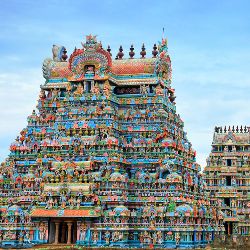
Temples like Konark, Angkor Wat, Chidambaram, Srirangam, and Rameswaram show extraordinary examples of this alignment.
7. Not All Temples Face East And That’s Beautiful Too
There are divine exceptions, each with symbolic meaning:
- West-facing Vishnu temples → For blessings & protection
- North-facing Shiva temples → For wealth & spiritual growth
- South-facing Bhairava/Kali temples → For fierce energy & removal of negativity
But East remains the default direction for peace, harmony, and the flow of prana.
Travel With Nirvana India Enterprise Experience Temple Science First Hand
If you’re someone who loves understanding the why behind India’s ancient traditions, Nirvana India Enterprise curates:
- Temple architecture tours
- East-aligned temple circuits (Tamil Nadu, Odisha, Karnataka)
- Heritage journeys for NRIs
- Scientifically designed spiritual itineraries
- Astro-aligned travel experiences
Whether you’re a devotee, a history admirer, or a curious traveler — we help you experience temples the way the ancients intended.
Comments are closed