

Why Temple Music Feels Divine Nadaswaram, Chenda & Veena Explained
Why Temple Music Feels Divine The Sacred Soundscape of Nadaswaram, Chenda & Veena
Step into any ancient temple before you see the deity, before you smell the incense, before you feel the stone under your feet you hear the music.
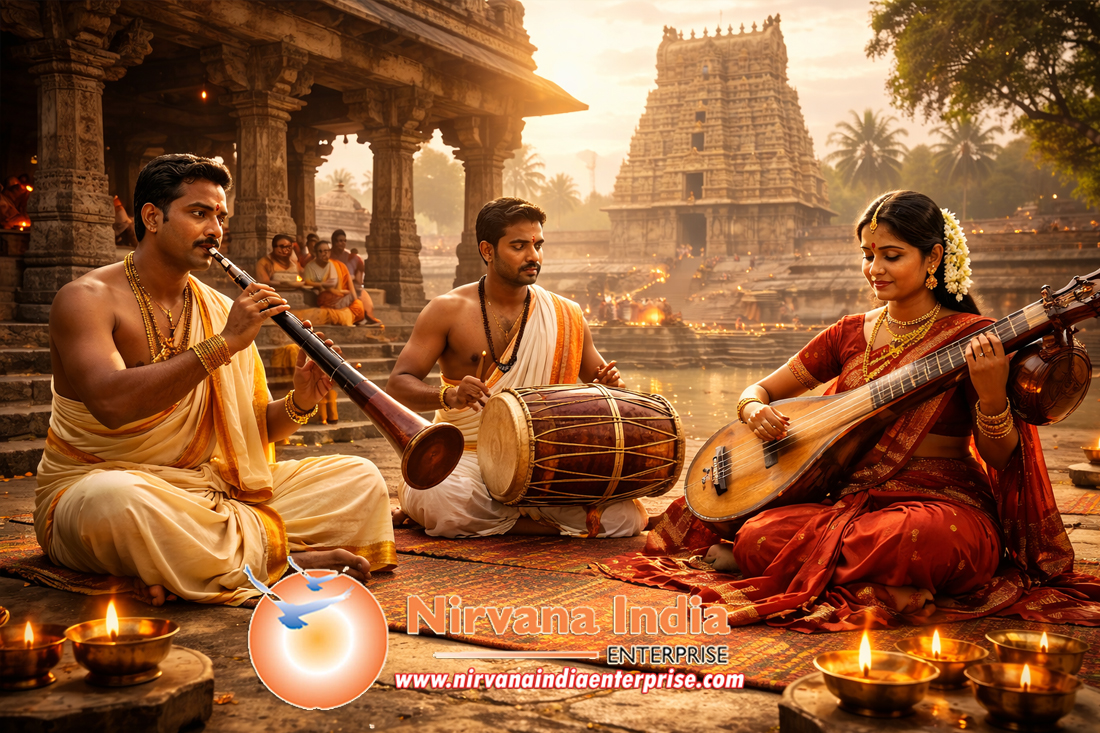
The deep hum of the Nadaswaram,
The powerful rhythm of the Chenda,
The gentle vibration of the Veena…
These sounds don’t just accompany worship.
They transform the very energy around you.
Let’s explore why temple music feels heavenly, healing, and instantly uplifting.
1. The Nadaswaram The Instrument That Opens the Heavens
Often called Mangala Vadyam, it is designed for auspicious beginnings.
Why it feels divine:
- Its sound travels long distances, cleansing the atmosphere
- The instrument follows Carnatic ragas associated with peace, devotion & purity
- The vibration hits higher chakras, especially the Ajna Chakra (third eye)
- It prepares the mind for darshan
Saints believed Nadaswaram music invites gods not just people into the temple.
2. The Chenda The Drum That Awakens the Spirit
In Kerala temples, the Chenda is not just an instrument it is a heartbeat.
Why it feels so powerful:
- Its loud, sharp vibration activates the Muladhara Chakra
- It energises both the body and the temple’s surroundings
- Chenda melam synchronizes hundreds of drummers, creating a trance-like state
- It symbolizes the presence of the deity arriving during festivals
The Chenda doesn’t calm you
It elevates you.
3. The Veena Music of the Gods Themselves
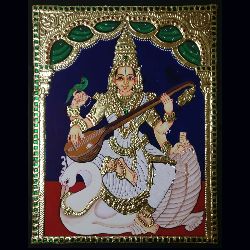
Saraswati plays it. Narada plays it.
Why?
Because the Veena is considered the purest form of Nada Brahma — the universe as sound.
Its divine effect comes from:
- Resonance very close to the human nervous system
- Soft, meditative sustain
- Ability to quieten mental chatter
- Activation of higher consciousness
A Veena recital inside a temple is like bathing the mind in gentle light.
4. Sound as a Cleansing Force
Temple music isn’t entertainment.
It is energy engineering.
Just like temple bells, mantras, and conches, these instruments:
- Break stagnant vibrations
- Purify the air
- Harmonize the mental state
- Deepen devotion before entering the sanctum
They prepare the inner self as much as they enhance the outer ambience.
5. Music Synchronizes the Mind With the Deity
In ancient India, every raga was linked to:
- A time of day
- A deity
- An emotion
- A natural element
This is why morning ragas like Bhoopalam or Revagupti feel perfect during Suprabhatam,
while evening ragas like Neelambari soothe the mind during temple closure rituals.
The music sets the emotional tone for worship.
6. Festivals Come Alive Through Music
Imagine:
- Chenda melam during Thrissur Pooram
- Nadaswaram during Kumbhabhishekam
- Veena during Navaratri concerts
- Nagaswaram at South Indian wedding temples
The sound becomes the soul of the celebration.
It carries centuries of tradition in every beat.
7. Scientific Healing Through Temple Music
Modern research confirms what saints always knew:
Temple music…
- Reduces stress
- Regulates breathing
- Improves focus
- Lowers blood pressure
- Stabilizes emotions
- Enhances spiritual receptivity
These instruments vibrate at frequencies naturally calming to the human mind.
Conclusion
Temple music is not just heard
It is felt.
It fills the space with purity.
It melts the mind into devotion.
It turns an ordinary visit into a spiritual journey.
The next time you hear Nadaswaram, Chenda, or Veena inside a temple…
Pause.
Let the sound soak into your heart.
It’s the universe conversing with your soul.
Comments are closed