





Why Temples Have a Dress Code Tradition, Respect & Energy Explained
Why Temples Have a Dress Code Tradition, Respect & Energy Explained
Step into any ancient Indian temple, and you’ll notice something common devotees dressed modestly and traditionally.
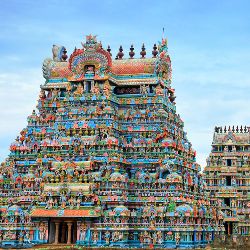
From Tamil Nadu’s grand Dravidian temples to Kerala’s strict customs, dress codes are woven deeply into temple culture.
Here is the beautiful meaning behind them.
Temples Are Sacred Spaces Clothing Reflects Respect
Just as we dress respectfully for a wedding or a special ceremony, traditional attire in temples signals reverence.
Temple dress codes encourage:
- modesty
- humility
- discipline
It shifts the mind from the external world to a devotional state.
Traditional Clothing Helps Maintain Energetic Purity
Ancient temples are energy-rich sanctums designed with:
- vastu geometry
- copper plates
- granite floors
- mantras infused in rituals
Loose, natural, cotton-based clothing helps your body: - absorb energy
- stay cool
- stay grounded
Synthetic, tight, or revealing clothing disrupts this natural flow.
Many Temples Follow Agama Shastra Rules
Agama Shastras ancient temple manuals specify how a devotee should approach the deity.
They recommend:
- clean, fresh, modest clothing
- simple and natural fabrics
- avoiding flashy or impure attire
The idea is simple come as you are, but with purity.
Kerala Temples Have the Strictest Dress Codes
Places like:
- Guruvayur
- Padmanabhaswamy Temple
- Sabarimala
require attire such as:
- men: mundu/dhoti, bare upper body (in some temples)
- women: saree, set-mundu, salwar, long skirts
- no western outfits allowed
These customs preserve centuries-old spiritual discipline.
Dress Code Helps Maintain Uniformity & Focus
When everyone dresses simply, it reduces:
- distraction
- inequality
- visual noise
The collective atmosphere becomes calm, sacred, and meditative.
Traditional Fabrics Are Hygienic & Temple Friendly
Cotton and handloom fabrics are:
- breathable
- sweat-absorbent
- non-allergic
- naturally pure
They also keep you comfortable during long queues and temple walks.
Symbolic Meaning Shedding Ego, Embracing Simplicity
Changing into traditional attire (even temporarily) is symbolic.
It says:
“I step away from identity, style, and ego and enter the divine space as a humble devotee.”
This spiritual mindset is one of the core reasons dress codes exist.
Quick Guide: What to Wear in Indian Temples
Recommended:
- Saree
- Salwar kameez
- Kurta–pyjama
- Dhoti, veshti, mundu
- Long skirts
- Simple cotton tops
Avoid:
- Shorts
- Sleeveless tops
- Tight or revealing clothes
- Mini skirts
- T-shirts with inappropriate prints
- Sportswear or beachwear
Travel Brief Dress Comfortably for a Peaceful Temple Experience
For NRIs and visitors, here’s a simple temple clothing checklist:
Carry a lightweight shawl or stole
Useful if you are unsure of the dress code.
Keep a spare traditional outfit in your luggage
Especially important for Kerala & South India temple circuits.
Early morning visits are easier
Cool weather + lighter crowds = more comfortable.
Nirvana India Enterprise can guide dress rules
Every state has its traditions. We help travelers prepare with clarity so your visit is smooth, respectful, and memorable.
Temple dress codes are not restrictions they are gentle reminders to enter sacred space with dignity, purity, and devotion.
Comments are closed