

Pitra Karya in India for NRIs Ancestral Rituals, Pind Daan & Travel Guide 2026
Complete Planning Guide for Overseas Hindu Families
For many NRIs and overseas Hindu families, performing ancestral rituals (Pitra Karya) in India is a sacred responsibility rooted in dharma, gratitude, and lineage continuity.
However, organizing Shraddha, Tarpanam, Pind Daan, or Pitru Dosha rituals from abroad can be complex due to distance, unfamiliar procedures, and lack of reliable local contacts.
This guide explains the most important ritual destinations, recommended circuits, and how structured assistance ensures a smooth, dignified, and spiritually authentic experience.
What is Pitra Karya ?
Pitra Karya refers to ancestral rites performed for departed forefathers to:
- Offer peace to ancestral souls
- Express gratitude and remembrance
- Seek family blessings
- Address Pitru Dosha
- Fulfill unperformed karmic obligations
These rituals are conducted by qualified Vedic priests according to family tradition (sampradaya).
For NRIs, selecting the correct location and muhurat (auspicious timing) is especially important.
Major Ancestral Ritual Circuits in India
Varanasi Prayag Gaya Circuit (Most Powerful North India Circuit) This is the most traditional and spiritually complete ancestral ritual route
Varanasi
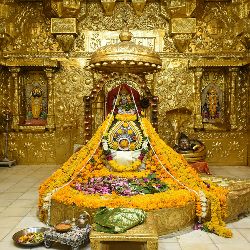
Situated on the sacred banks of the Ganga, Varanasi is one of the oldest living spiritual cities in the world.
Key temple:
- Kashi Vishwanath Temple
Common rituals performed:
- Tarpanam
- Shraddha
- Asthi Visarjan
- Ganga rituals at ghats
Prayagraj
Home to the sacred Triveni Sangam — confluence of Ganga, Yamuna, and Saraswati.
Rituals performed:
- Sangam Tarpan
- Pind offerings
Amavasya rites
Gaya
Considered the most important place in India for Pind Daan.
Key site:
- Vishnupad Temple
Performing Pind Daan in Gaya is believed to grant spiritual liberation and ancestral peace.
Recommended duration for this circuit: 4–6 Days
Rameswaram (South India Sacred Ritual Center)
Ramanathaswamy Temple
One of the Char Dham pilgrimage sites, Rameswaram holds immense importance for:
- Pitru Tarpanam
- Shraddha ceremonies
- Sea immersion rituals
- Amavasya rites
Rituals are performed near Agni Theertham and within temple premises.
Many families combine Rameswaram with Madurai or Tiruchirappalli temple visits.
Recommended duration: 3–4 Days
Additional Important Ancestral Ritual Destinations Depending on family lineage and priest advice, rituals are also performed at:
Gokarna
One of South India’s most sacred pitru ritual destinations.
Key temple:
- Mahabaleshwar Temple
Gokarna is especially significant for:
- Pitru Tarpanam
- Shraddha
- Sea-side ancestral rites
- Amavasya ceremonies
It is highly preferred by South Indian families and can be combined with Udupi or Sringeri spiritual visits.
Haridwar
Sacred Ganga rituals and asthi immersion at Har Ki Pauri.
Ideal for families combining ancestral rites with North India pilgrimage.
Triambakeshwar Shiva Temple
Famous for:
- Narayan Nagbali
- Pitru Dosha Nivaran
- Kaal Sarp Shanti
A major ritual center in Maharashtra.
Badrinath Temple
Special ancestral offerings during Char Dham Yatra season.
Common Challenges Faced by NRIs
- Identifying authentic Vedic priests
- Language barriers
- Understanding correct ritual procedure
- Coordinating multiple cities
- Managing travel logistics
- Selecting proper muhurat
- Ensuring rituals align with family tradition
Without structured planning, the process can become stressful.
Our Assistance for NRI Ancestral Ritual Planning
We assist in coordinating ancestral ritual journeys with a focus on dignity, authenticity, and comfort.
Our support includes:
- Priest coordination (as per regional tradition)
- Ritual category guidance
- Multi-destination itinerary planning
- Minimum 3-star & premium accommodation
- Comfortable private transfers
- Temple darshan alignment
- Transparent scheduling
We focus on structured, higher-end pilgrimage arrangements — ensuring overseas families experience peace of mind throughout the journey.
Best Time for Ancestral Rituals
- Amavasya (New Moon)
- Mahalaya Paksha / Pitru Paksha
- Annual death anniversary (Tithi)
- Special muhurat days as advised by priest
Advance planning is strongly recommended during Pitru Paksha season due to high demand.
Recommended Combined Circuits
• Varanasi – Prayag – Gaya (4–6 Days)
• Rameswaram Circuit (3–4 Days)
• Gokarna Ritual Circuit (2–3 Days)
• North + South Combined Ritual Journey (7–10 Days)
Final Thought
Ancestral rituals are among the most sacred duties in Hindu tradition.
Performing Pitra Karya in spiritually powerful cities like Varanasi, Prayag, Gaya, Rameswaram, or Gokarna fulfills a timeless dharmic responsibility and strengthens the spiritual lineage of a family.
For NRIs, structured coordination transforms a complex ritual journey into a meaningful, peaceful, and spiritually complete experience.
Complete guide for NRIs on Pitra Karya in India including pind daan rituals, sacred locations, procedures & travel planning assistance.
Plan Your All India Temple Tour
Design your personalized pilgrimage with:
VIP Darshan Assistance
Luxury & Comfort Hotels
Private Vehicles & Flights
Experienced Temple Guides
WhatsApp: +91 9987404440 / +91 9892002006 / + 91 9224444455
Nirvana India Enterprise – Your Trusted Pilgrimage Travel Partner
Comments are closed