Maa Matangi The Ninth Mahavidya | Goddess of Wisdom, Speech, Music & Divine Knowledge
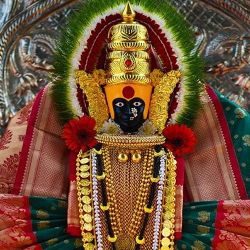
Maa Matangi is the ninth among the Dasha Mahavidyas – the Ten Great Wisdom Goddesses of Sanatana Dharma. She is a profound manifestation of Adi Shakti, the Divine Mother, associated with wisdom, speech, music, learning, creativity, artistic expression and spiritual knowledge.
Often described as a Tantric manifestation of the divine knowledge principle, Maa Matangi represents the sacred power of Vani (speech), Vidya (knowledge), Sangeeta (music) and Kala (art).
She reminds us that knowledge is not merely about collecting information. True knowledge becomes meaningful when it transforms our thoughts, our words and ultimately our consciousness.
For devotees, Maa Matangi is revered as the Goddess who inspires wisdom, eloquence, creativity, learning, concentration and higher understanding.
Who is Maa Matangi?
Maa Matangi is one of the Ten Mahavidyas, each representing a unique aspect of the infinite power of the Divine Mother.
The Ten Mahavidyas are:
- Maa Kali
- Maa Tara
- Maa Tripura Sundari
- Maa Bhuvaneshwari
- Maa Bhairavi
- Maa Chhinnamasta
- Maa Dhumavati
- Maa Bagalamukhi
- Maa Matangi
- Maa Kamalatmika
While each Mahavidya has a distinct form and spiritual significance, together they represent the many dimensions of Shakti – the Divine Feminine Power.
Maa Matangi particularly represents the transformation of knowledge into wisdom and speech into sacred expression.
Maa Matangi Goddess of Speech and Communication
One of the most important aspects of Maa Matangi is Vak Shakti – the power of speech.
In Hindu spiritual traditions, speech is considered a powerful form of Shakti. Words can inspire, teach, heal, encourage and transform, but they can also create conflict when used without wisdom.
Maa Matangi therefore reminds devotees of the importance of using speech with:
Wisdom • Truth • Compassion • Clarity • Responsibility
Her worship represents the aspiration to make one’s words meaningful and one’s communication beneficial to others.
Maa Matangi and Music
Maa Matangi is closely associated with music, sound and artistic expression.
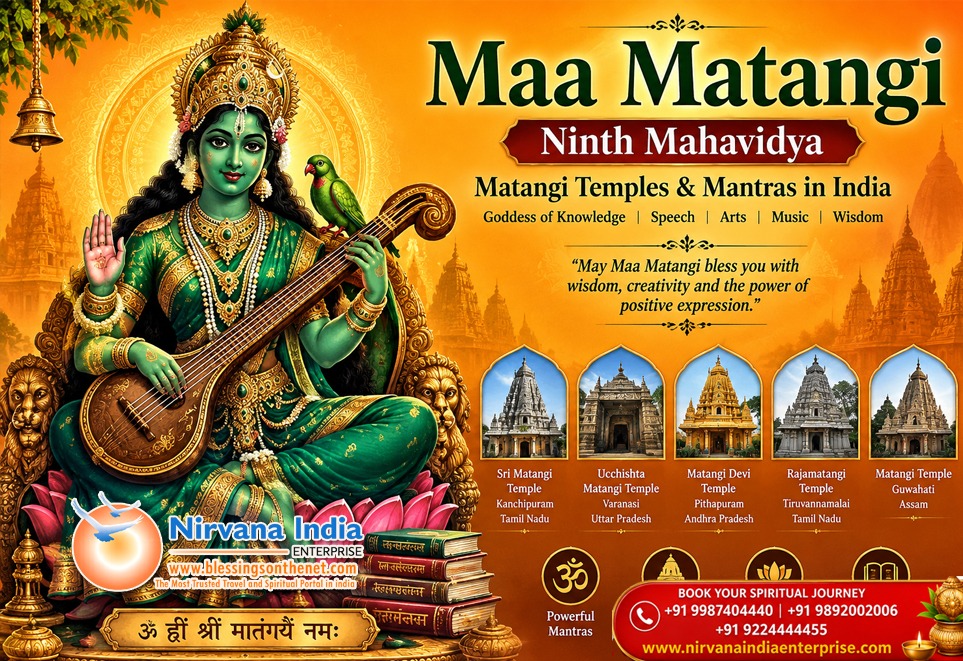
She is traditionally depicted holding or associated with a veena, representing the harmony of sound, knowledge and consciousness.
For musicians, singers, artists, writers, dancers and creative individuals, Maa Matangi represents the idea that creative expression can become a form of devotion.
Music can calm the mind. Poetry can express devotion. Art can reveal beauty. Knowledge can lead to wisdom.
Through these expressions, the ordinary can become a pathway towards the Divine.
Maa Matangi and Knowledge
Maa Matangi represents a deeper dimension of knowledge.
Education gives us information, but wisdom teaches us how to understand, apply and live that knowledge.
Devotees traditionally invoke Maa Matangi in connection with:
- Knowledge and learning
- Wisdom and understanding
- Speech and communication
- Music and artistic ability
- Creativity and inspiration
- Concentration and clarity
- Eloquence and expression
- Spiritual knowledge
Her message is especially meaningful in today’s world, where information is abundant but wisdom, discernment and responsible communication are equally important.
Raja Matangi and Raja Shyamala
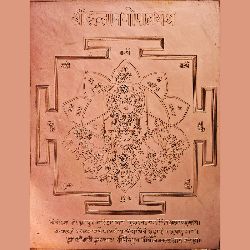
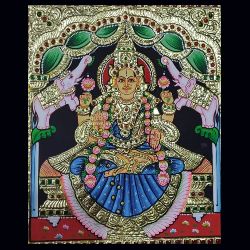
One of the important manifestations associated with Maa Matangi is Raja Matangi, also known as Raja Shyamala or Shyamala Devi.
Raja Shyamala is particularly associated with divine speech, intelligence, music, arts, learning and refined expression.
She occupies an important place in the broader Sri Vidya tradition, where the Divine Mother is worshipped in her supreme forms and manifestations.
For devotees interested in Maa Matangi, Raja Shyamala and the Sri Vidya tradition, several ancient temples and sacred centres across India offer an opportunity to explore different dimensions of the Divine Feminine.
Famous Temples and Sacred Centres Associated with Maa Matangi
Maa Matangi is worshipped in different forms and traditions throughout India. In some places, she is worshipped directly as Matangi Devi, while in Sri Vidya traditions she is particularly associated with Raja Shyamala or Raja Matangi.
Several major Shakti and Devi pilgrimage centres are therefore relevant when exploring the spiritual heritage of Maa Matangi.
1. Sri Kamakshi Amman Temple – Kanchipuram, Tamil Nadu
Kanchipuram is one of South India’s most sacred temple cities and an important centre of Shakti worship.
The magnificent Sri Kamakshi Amman Temple is dedicated to Goddess Kamakshi, a supreme manifestation of the Divine Mother.
Kamakshi worship is deeply connected with the Sri Vidya tradition, making Kanchipuram particularly significant for devotees exploring the spiritual traditions surrounding Lalita Tripura Sundari, Raja Shyamala and other manifestations of Shakti.
Raja Shyamala, regarded as a form associated with Matangi, represents divine speech, knowledge, music and artistic expression.
A pilgrimage to Kanchipuram can therefore be an enriching experience for devotees wishing to understand the broader Sri Vidya and Shakti traditions.
Significance: Shakti • Sri Vidya • Divine Mother • Knowledge • Spiritual Wisdom
2. Sringeri Sharada Peetham – Karnataka
The sacred Sringeri Sharada Peetham is one of India’s most revered centres of spiritual learning and Advaita Vedanta.
The principal deity, Goddess Sharadamba, represents divine knowledge and wisdom.
Maa Matangi also represents knowledge, speech, music, learning and intellectual understanding. This creates a meaningful spiritual connection for devotees exploring the knowledge-oriented aspects of the Divine Feminine.
Sringeri’s centuries-old association with Sanskrit learning, Vedanta and Devi worship makes it an important destination on a broader pilgrimage exploring the sacred traditions of divine wisdom.
Significance: Goddess Sharadamba • Knowledge • Learning • Wisdom • Vedanta
3. Kamakhya Temple – Guwahati, Assam
The Kamakhya Temple is one of India’s most revered Shakti Peethas and one of the country’s major centres of Shakti and Tantric worship.
Situated on Nilachal Hill in Guwahati, Kamakhya is particularly important for devotees interested in the deeper traditions of the Divine Feminine.
The Kamakhya temple complex is traditionally associated with the Dasha Mahavidyas, making it one of the most significant pilgrimage destinations for those wishing to explore the Ten Great Wisdom Goddesses.
The spiritual traditions of Kamakhya provide a broader context for understanding Maa Matangi as part of the profound Mahavidya and Shakti tradition.
Significance: Shakti Peetha • Dasha Mahavidyas • Tantra • Shakti Worship • Divine Feminine
4. Trimbakeshwar – Nashik, Maharashtra
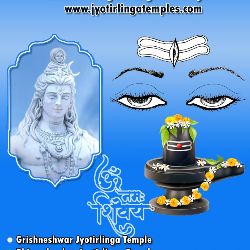
Trimbakeshwar is one of the twelve sacred Jyotirlingas of Lord Shiva and one of the most important pilgrimage destinations in Maharashtra.
The region possesses a rich Shaiva and Shakta spiritual heritage.
The relationship between Shiva and Shakti is fundamental to many Hindu spiritual and Tantric traditions. Shiva represents consciousness, while Shakti represents the dynamic power through which consciousness manifests.
For devotees exploring Maa Matangi and the broader Shakti tradition, Trimbakeshwar can be incorporated into a wider Shiva–Shakti pilgrimage of Maharashtra.
The pilgrimage can also be combined with other important Devi temples and sacred destinations in the region.
Significance: Jyotirlinga • Shiva–Shakti • Shaiva Tradition • Spiritual Heritage
5. Prayagraj – Uttar Pradesh
Prayagraj is among India’s most sacred pilgrimage cities and is renowned for the Triveni Sangam, the sacred confluence of the Ganga, Yamuna and the mystical Saraswati.
The city has been associated with pilgrimage, sacred learning, spiritual practices and Shakti traditions for centuries.
Prayagraj is also associated with the Alopi Shankari Shakti Peetha tradition.
The association with Saraswati is especially interesting when exploring the broader spiritual themes of knowledge, speech, wisdom and sacred expression, which are central to the understanding of Maa Matangi.
A visit to Prayagraj can therefore become part of a broader Shakti and Mahavidya pilgrimage in North India.
Significance: Triveni Sangam • Shakti Tradition • Sacred Rivers • Spiritual Knowledge
Other Important Matangi and Raja Shyamala Centres
Raja Matangi Temple Nangur, Tamil Nadu
Nangur in Tamil Nadu is associated with a temple dedicated to Raja Mathangi / Mathangeswari, making it particularly relevant to devotees seeking a shrine specifically connected with Matangi.
The temple tradition connects the Goddess with Mathanga Maharishi, and the shrine forms part of the rich sacred heritage of the Nangur region.
For a pilgrimage specifically focused on Matangi worship, Nangur can be an important destination to explore.
Vishaka Sri Sarada Peetham Visakhapatnam, Andhra Pradesh
The Vishaka Sri Sarada Peetham is particularly associated with Raja Shyamala Devi.
Raja Shyamala is an important manifestation of the Divine Mother connected with the Matangi tradition and is revered in association with wisdom, speech, music and knowledge.
For devotees wishing to explore Raja Shyamala / Raja Matangi worship, Visakhapatnam can be included in a customized spiritual journey.
Symbolism of Maa Matangi
The traditional iconography of Maa Matangi contains profound spiritual symbolism.
The Veena
The veena represents music, harmony, knowledge and sacred sound.
It reminds us that sound and music can be used not merely for entertainment but also as a means of devotion and spiritual concentration.
Green Colour
Maa Matangi is traditionally depicted with a green complexion. Green can symbolically represent growth, vitality, nature and creative energy.
Speech
Her association with speech represents the sacred power of words, communication, mantra and expression.
Knowledge
Maa Matangi represents knowledge that moves beyond information and becomes wisdom and awareness.
Creativity
She teaches that creativity can become a spiritual expression and that art, music and literature can become pathways toward the Divine.
What Does Maa Matangi Teach Us?
The deeper message of Maa Matangi is beautifully expressed through the transformation of:
- Knowledge → Wisdom
- Speech → Sacred Expression
- Music → Meditation
- Creativity → Devotion
- Learning → Self-Realization
She encourages us to:
- Speak thoughtfully.
- Listen carefully.
- Learn continuously.
- Use knowledge responsibly.
- Develop creativity.
- Respect music and the arts.
- Overcome ignorance.
- Use our talents positively.
- Allow knowledge to develop humility and wisdom.
Maa Matangi reminds us that the Divine can be experienced not only through silence and meditation, but also through sound, music, poetry, art, knowledge and meaningful expression.
Maa Matangi Mantras, Shlokas & Prayers
Devotees invoke Maa Matangi through simple prayers, traditional names and various mantras.
Matangi Namaha
ॐ मातंग्यै नमः
Om Matangyai Namah
A simple devotional invocation offered to Maa Matangi with reverence and surrender.
Meaning:
“I offer my salutations to Maa Matangi, the Divine Mother of wisdom, speech and spiritual knowledge.”
Jai Mata Matangi
जय माता मातंगी
Jai Mata Matangi
A simple and heartfelt devotional greeting to Maa Matangi.
Meaning:
“Victory and glory to Mother Matangi.”
Devotees may chant this with devotion while remembering the Goddess as the Divine Mother of knowledge, speech, music and creativity.
Om Aim Matangyai Namo Namah
ॐ ऐं मातंग्यै नमो नमः
Om Aim Matangyai Namo Namah
The syllable Aim (ऐं) is traditionally associated with knowledge, learning, speech and wisdom.
Meaning:
“Repeated salutations to Maa Matangi, the Divine Mother of wisdom and sacred speech.”
Om Hreem Kleem Hoom Matangi Phat Svaha
ॐ ह्रीं क्लीं हूं मातंगि फट् स्वाहा
Om Hreem Kleem Hoom Matangi Phat Svaha
This is a traditional Tantric-style Matangi mantra incorporating several bija syllables.
Such mantras are traditionally approached with respect and, in formal Tantric practice, may be undertaken according to the guidance of an experienced spiritual teacher.
For general devotional purposes, it can be presented as a traditional invocation associated with Maa Matangi.
Maa Matangi Gayatri Mantra
A commonly recited form of the Maa Matangi Gayatri is:
ॐ मातंग्यै च विद्महे
शुकप्रियायै च धीमहि
तन्नो देवी प्रचोदयात् ॥
Om Matangyai Cha Vidmahe
Shukapriyāyai Cha Dhīmahi
Tanno Devi Prachodayāt.
Meaning
“We meditate upon Maa Matangi, the Divine Goddess who is dear to the Shuka (parrot). May that Divine Goddess illuminate and inspire our intellect.”
The Gayatri form is a beautiful prayer seeking wisdom, clarity, inspiration and divine guidance.
A Prayer to Maa Matangi
हे माँ मातंगी,
ज्ञानं देहि, वाणीं देहि,
बुद्धिं देहि, कला-शक्तिं देहि।
मम वाणीं शुद्धां कुरु,
मम बुद्धिं प्रकाशय।
मां सदैव सत्यमार्गे प्रेरय॥
He Maa Matangi,
Gyanam Dehi, Vaanim Dehi,
Buddhim Dehi, Kala-Shaktim Dehi.
Mama Vaanim Shuddham Kuru,
Mama Buddhim Prakashaya.
Maam Sadaiva Satya-Marge Preraya.
Meaning:
“O Divine Mother Matangi, bless me with knowledge, wisdom, eloquence and creative ability. Purify my speech and illuminate my intellect. Always guide me towards truth and righteousness.”
Spiritual Significance of Maa Matangi
Maa Matangi represents the Divine Mother as the power of enlightened intelligence and sacred expression.
Her worship provides a spiritual perspective on the importance of knowledge, speech, music and creativity.
She teaches us that:
Words can become prayer.
Music can become meditation.
Knowledge can become wisdom.
Creativity can become devotion.
The journey of Maa Matangi is therefore not simply about learning more, but about using what we learn to become more conscious, compassionate and spiritually aware.
Maa Matangi and the Dasha Mahavidya Tradition
The Ten Mahavidyas together represent the extraordinary diversity of Adi Shakti.
- Maa Kali represents transformation and liberation.
- Maa Tara represents protection and divine guidance.
- Maa Tripura Sundari represents beauty, bliss and supreme consciousness.
- Maa Bhuvaneshwari represents the universe and infinite space.
- Maa Bhairavi represents power and spiritual discipline.
- Maa Chhinnamasta represents transformation and self-surrender.
- Maa Dhumavati represents detachment and wisdom through experience.
- Maa Bagalamukhi represents protection and the power to overcome negativity.
- Maa Matangi represents knowledge, speech, music and creative expression.
- Maa Kamalatmika represents prosperity, abundance and auspiciousness.
Together, they represent the many dimensions of the Divine Mother and offer seekers different pathways towards spiritual growth and realization.
A Maa Matangi & Shakti Pilgrimage Across India
A pilgrimage dedicated to Maa Matangi does not necessarily need to be restricted to a single temple.
Devotees can create a broader spiritual journey connecting:
- Maa Matangi / Raja Matangi temples
- Raja Shyamala temples
- Dasha Mahavidya temples
- Shakti Peethas
- Adi Shakti Peethas
- Sri Vidya temples
- Devi temples
- Jyotirlingas
- Shiva Shakti pilgrimage centres
Such a journey allows devotees to experience the many manifestations of Shakti – the Divine Feminine Power across different regions and traditions of India.
Plan Your Maa Matangi Pilgrimage with Nirvana India Enterprise
Nirvana India Enterprise specializes in private and customized pilgrimage tours across India, designed for devotees, families, friends and NRI travellers.
We can customize your spiritual journey according to your preferred:
- Temples and sacred destinations
- Travel dates
- Number of travellers
- Duration
- Hotel category
- Private transportation
- Darshan requirements
- Pilgrimage interests
- Combination of pilgrimage and leisure destinations
Our specialized pilgrimage journeys include Dasha Mahavidya, Shakti Peetha, Jyotirlinga, Divya Desam, Shakti and other major Hindu pilgrimage circuits.
No Group Tours
All our pilgrimage journeys are private and customized exclusively for you, your family or your friends.
Contact Nirvana India Enterprise
Main Website: https://www.blessingsonthenet.com
Corporate Website: https://nirvanaindiaenterprise.com
Email: travel@blessingsonthenet.com
WhatsApp: +91 9987404440 / +91 9892002006 / + 91 9224444455
Your Spiritual Journey, Our Passion
Discover Maa Matangi, the Ninth Mahavidya and Goddess of wisdom, speech, music and creativity. Explore Matangi temples, Raja Shyamala traditions, sacred centres, mantras and Gayatri Mantra.
Comments are closed